When Should You Book a Professional Roof Inspection?
@lukassfmk307
Maintaining the structural integrity of your home requires consistent oversight, especially given the challenging coastal climate of the Sunshine Coast. Between intense ultraviolet exposure, high humidity, airborne sea salt, and severe seasonal storms, roofing materials experience accelerated wear and tear. Knowing precisely when to schedule a professional assessment can prevent minor defects from evolving into catastrophic water leaks and expensive structural repairs.

Key Situations That Require a Professional Inspection
While many property owners only think about roofing contractors when water begins dripping through the ceiling, preventative evaluations are significantly more cost-effective. Proactive scheduling ensures your roof remains weatherproof and compliant with current building and insurance standards.
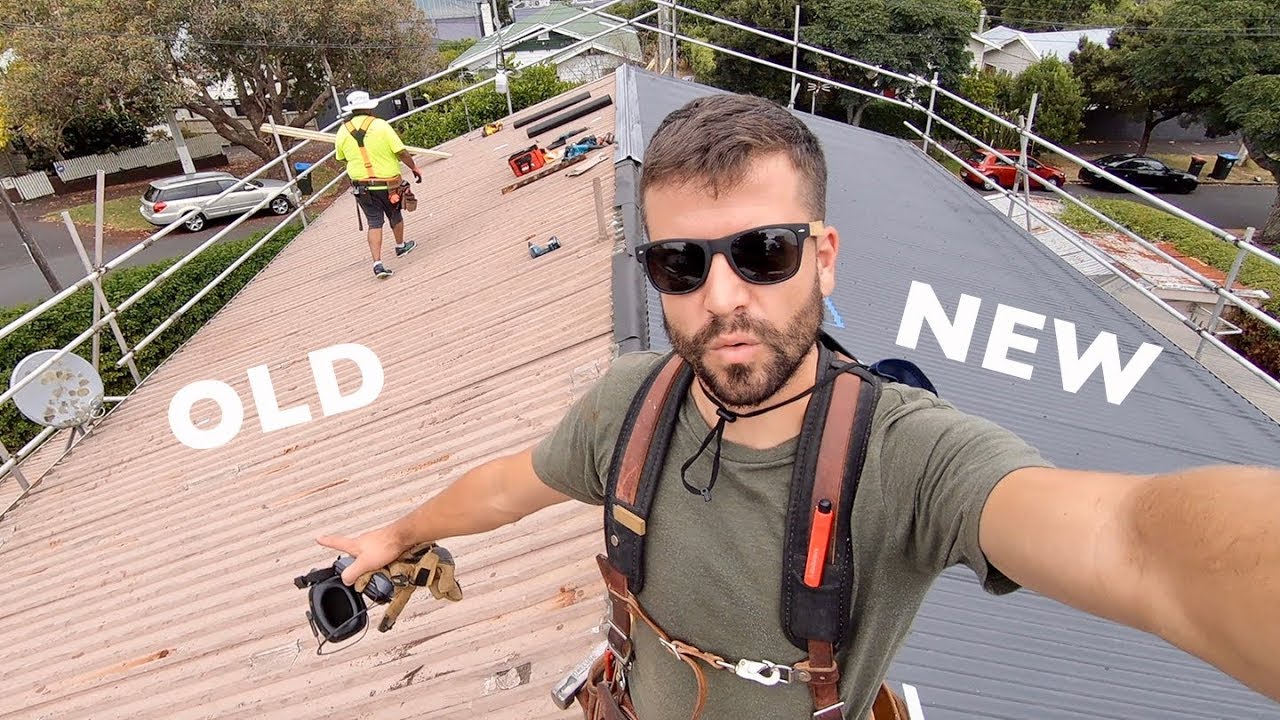
- Prior to the Summer Storm Season: The late spring months are the ideal window to ensure your roof is prepared for the intense rainfall, hail, and cyclonic gusts typical of subtropical Queensland summers.
- Immediately Following Severe Weather: Even if no leaks are immediately visible inside, severe wind gusts and localized hail can crack tiles, lift metal sheeting, or displace ridge caps.
- During Property Acquisitions: A standard pre-purchase building report may not always cover the roof cavity or external cladding in granular detail. A specialized roof inspection provides complete clarity on the asset's remaining lifespan.
- When Your Roof Exceeds 10 to 15 Years of Age: As building materials degrade over time, fasteners loosen, pointing compounds crumble, and protective coatings wear thin, necessitating biennial evaluations.
Visible Warning Signs You Should Not Ignore
You should never attempt to walk on a steep or degraded roof yourself. However, routine ground-level observations using binoculars, alongside inspections of your ceiling cavities, can alert you to urgent issues that demand professional intervention.
https://telegra.ph/Are-Roof-Ventilators-Worth-It-in-Humid-Coastal-Weather-11-04- Interior Moisture Indicators: Brown water rings on ceilings, peeling paint along cornices, or damp patches in insulation require prompt professional diagnosis.
- Dislodged or Cracked Tiles: On tiled roofs, cracked bedding, broken tiles, or shifted concrete tiles compromise the water barrier.
- Fastener and Valley Rust: In coastal regions like Noosa, Maroochydore, and Caloundra, salt-laden winds accelerate the corrosion of metal valley irons, roof screws, and Colorbond flashings.
- Sagging Rooflines: A visibly drooping section along the ridge or eaves suggests significant internal timber rot or failing structural battens.
Insurance Compliance and Property Protection in 2026
In 2026, home insurers across Queensland increasingly scrutinize maintenance records before approving claims following severe weather events. If an insurer determines that storm damage was exacerbated by pre-existing neglect—such as rusted fasteners, degraded pointing, or blocked valley gutters—they may reduce or reject your payout. Documenting regular professional inspections provides the verifiable proof of maintenance necessary to safeguard your coverage.
Investing in scheduled roof inspections every 12 to 24 months safeguards your equity, maintains thermal performance, and ensures your Sunshine Coast home remains resilient against unpredictable coastal weather conditions.

Sunshine Coast Roof Restoration & Repair
Unit 8/13 Newspaper Pl, Maroochydore QLD 4558
(07) 4145 4576